
TBP Directors

Dr Alecia Carter, Department of Anthropology, University College London

Dr Guy Cowlishaw, Institute of Zoology, Zoological Society of London
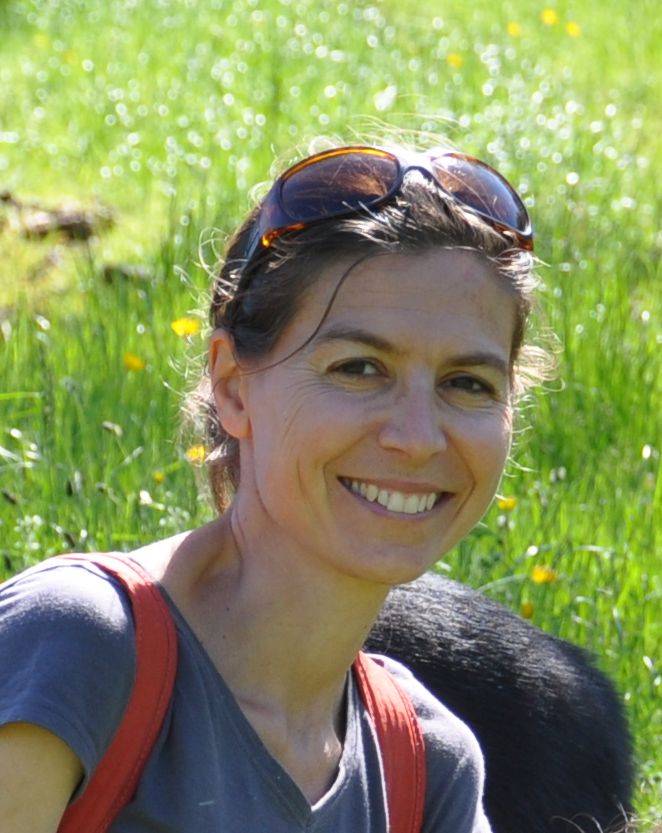
Dr Elise Huchard, Institut des Sciences de l’Evolution de Montpellier, France
Postdocs
Dr Julia Kunz – The causes and consequences of sexual coercion. While increasing evidence documents various forms of sexual coercion across animal societies, its underlying determinants and consequences remain little investigated in slow lived mammals. Using 18 years of long-term demographic, behavioural and genetic data from the Tsaobis Baboon Project, I aim to evaluate the reproductive consequences of sexual intimidation by males for both male and female chacma baboons.


Dr Vittoria Roatti – The social transmission of tool use. Tool use cultures, involving the social transmission of tool-use behaviours in social groups, are rare in non-humans. However, some species without such a culture, such as baboons, can innovate tools. This could mean that cognitive and/or social constraints limit the social transmission of novel tool-use behaviours. I perform honey-dipping experiments to determine if baboons can innovate and/or learn socially. Results will provide insights on what constrains material culture.
Dr Eleonore Rolland – Maternal styles and offspring outcomes. My research examines mother–offspring relationships in wild chacma baboon populations. In particular, I explore the long-term consequences of variation in maternal style on offspring development. I aim to understand how differences in maternal care shape the emergence of independence, social integration, and personality traits in developing baboons
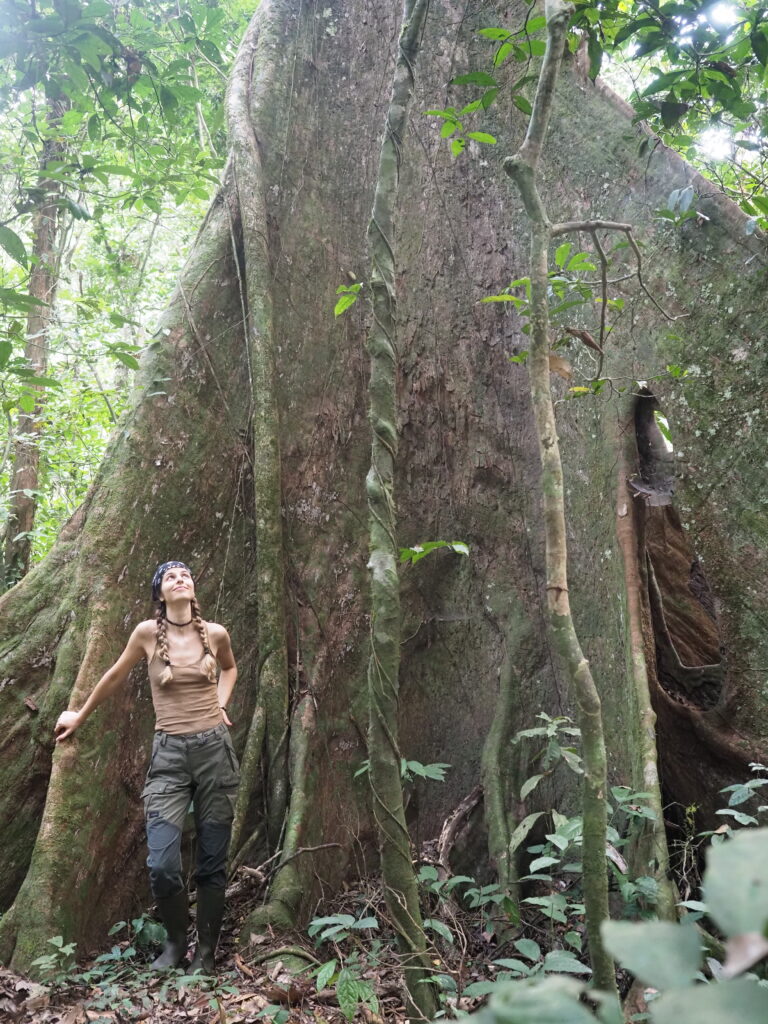
PhD students
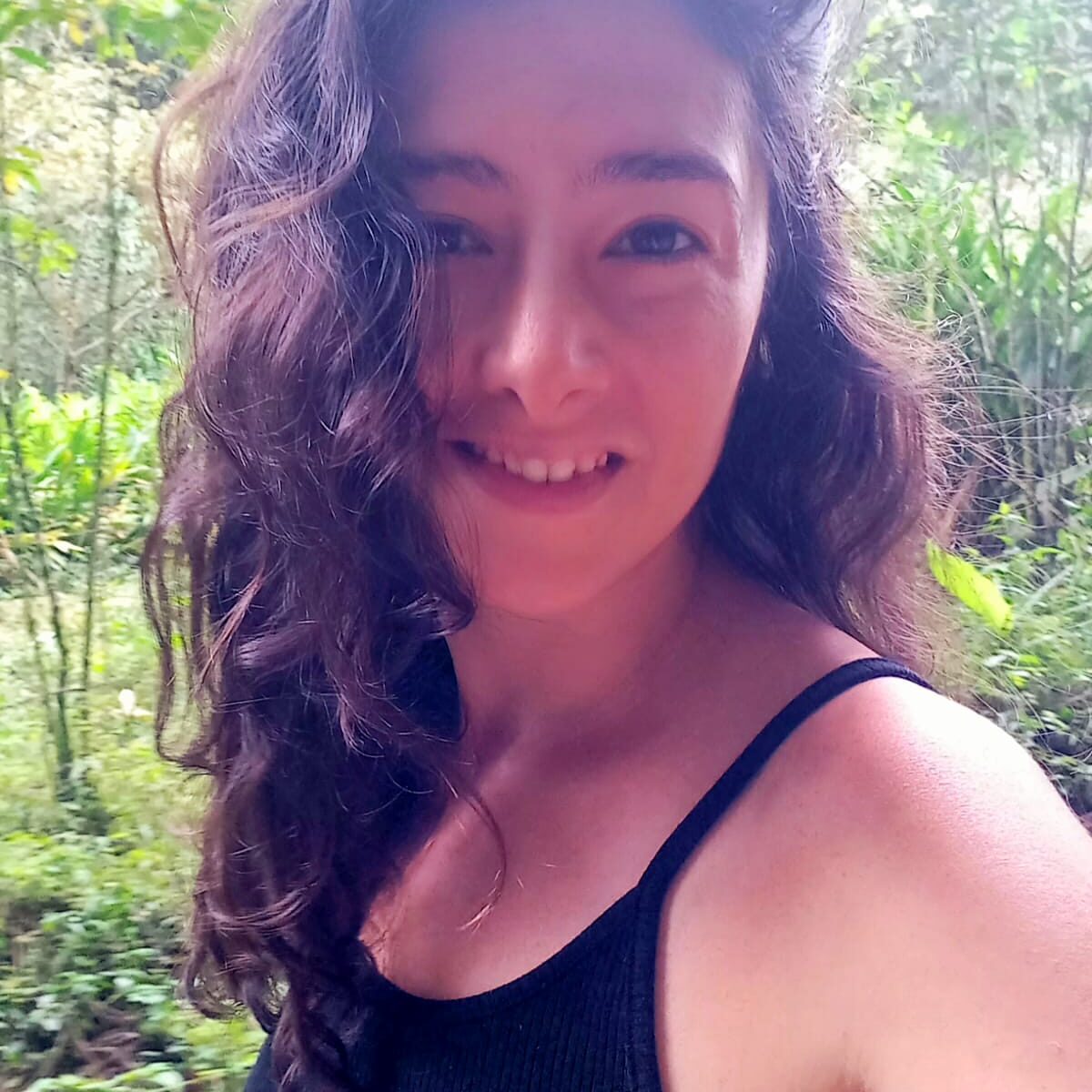
Tal Kleinhause – Are all baboons despotic? My research focuses on dominant personality in primates. I use long-term behavioral data to investigate individual differences in aggression, affiliation, and tolerance styles in the Tsaobis baboons, and how they may relate to either genetics, social learning, or behavioural flexibility.
Elisa Fernandez-Fueyo – What can baboons tell us about the evolution of language? Intentionality and flexibility have been claimed to be hallmarks of human language but are also found in great ape gestural communication. There is even preliminary evidence of intentionality and flexibility in monkey gestures. My project uses machine learning tools to investigate intentionality and flexibility in baboon vocal and gestural communication.
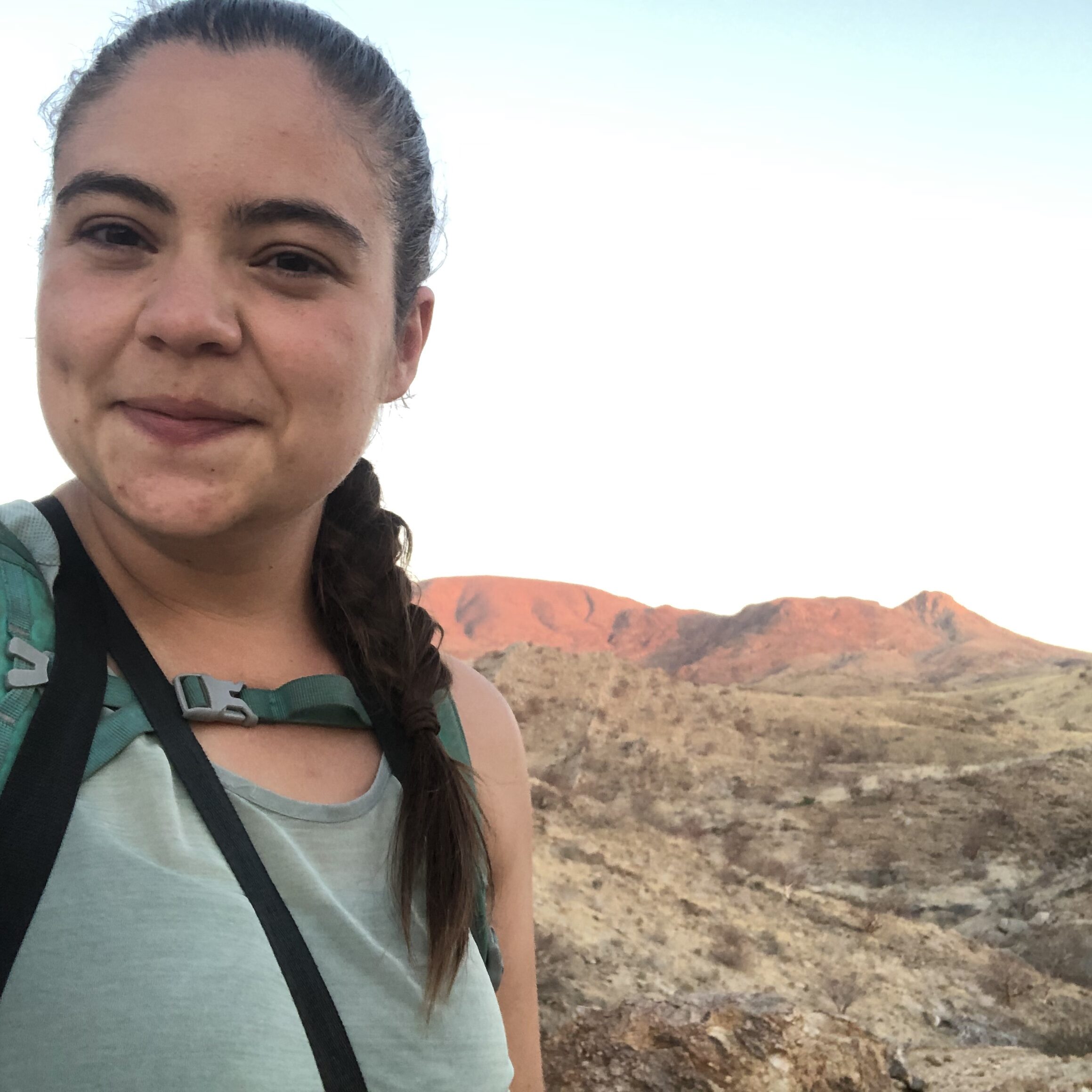
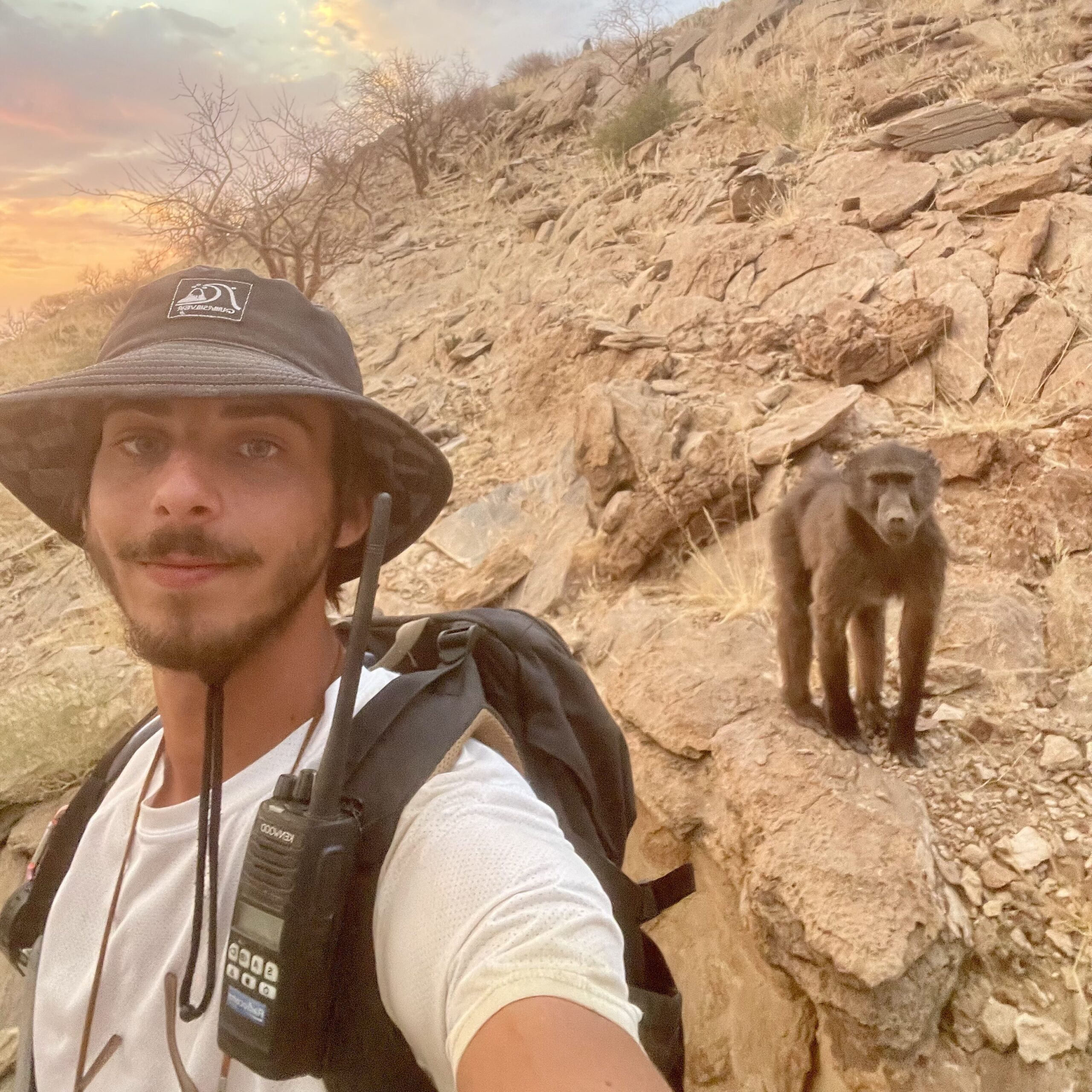
Antoine Lequeux – How do baboons survive in the desert ?My research explores how socio-ecological factors shape foraging behavior and survival in baboons in semi-arid environments. By integrating 20 years of data and field observations, I examine the impact of food availability (using phenological data) and climatic variability on their social networks, as well as the impact of sociality and environmental factors (climate, food availability) on the population demography.
Msc students
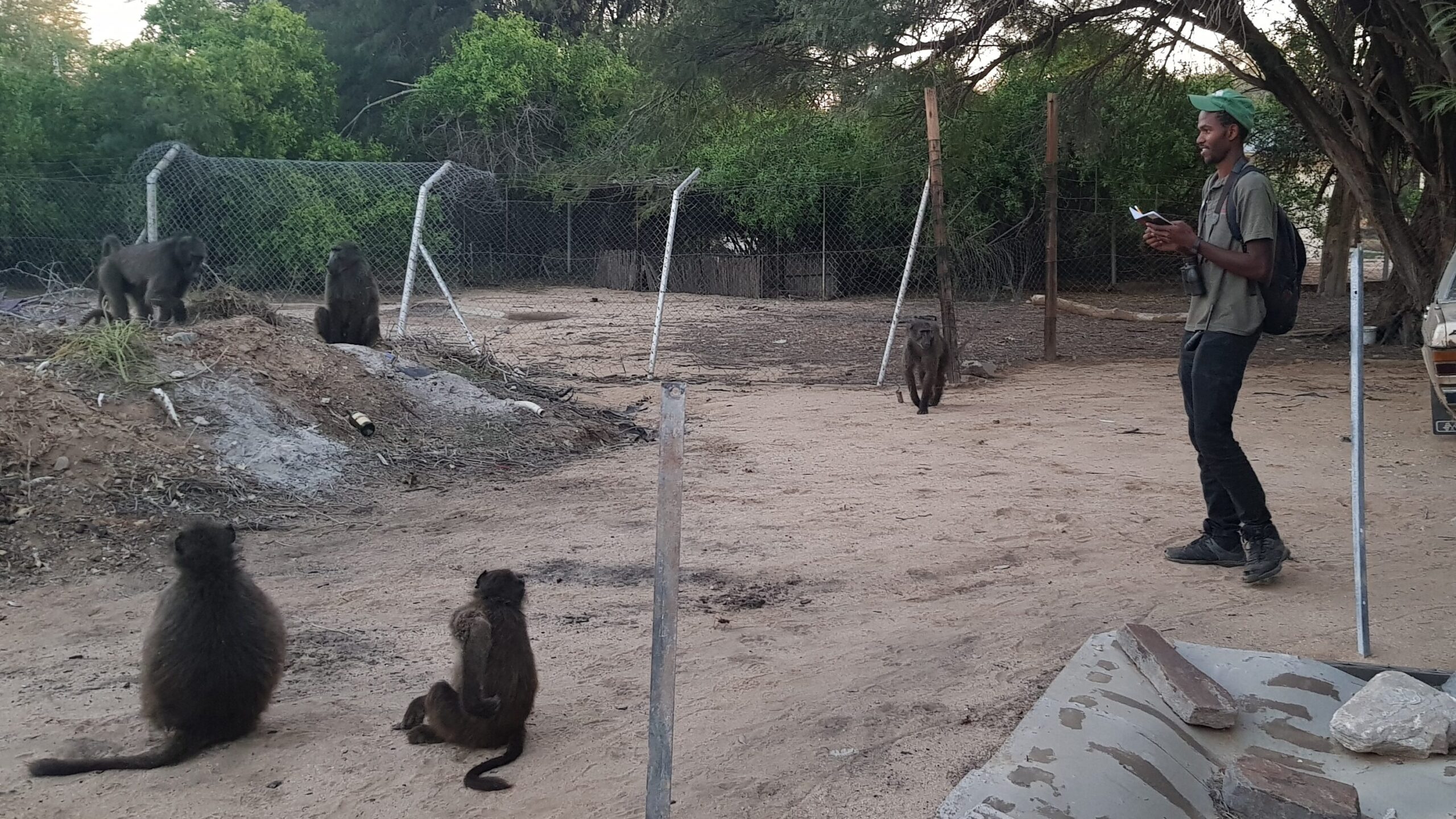
Punaete Kandjii – What drives human-baboon conflict? My project investigates why some baboons are more likely to enter camp, as well as to lead others into camp, and to generate damages there. I am further interested in human-baboon conflicts from a broader angle, and am hoping to study their frequency across Namibia.
Collaborators
- Dr Alice Baniel, ISEM IRD
- Dr Marie Charpentier, ISEM CNRS
- Dr Andrea DiGiorgio, Princeton University
Alumni
- Dr Andrew J King
- Dr Harry Marshall
- Dr Alex Lee
- Dr Alice Baniel
- Dr Cassandra Raby
- Dr Claudia Martina
- Dr Jules Dezeure
- Dr Axelle Delaunay


